25 October
Spatial foundations
Small art, weather and district tests established repair states, route access, shortcuts and return paths.

A summary of the known development areas, including earlier experiments, original artwork and current implementation boundaries. Reviewed against project records on 29 October 2026.
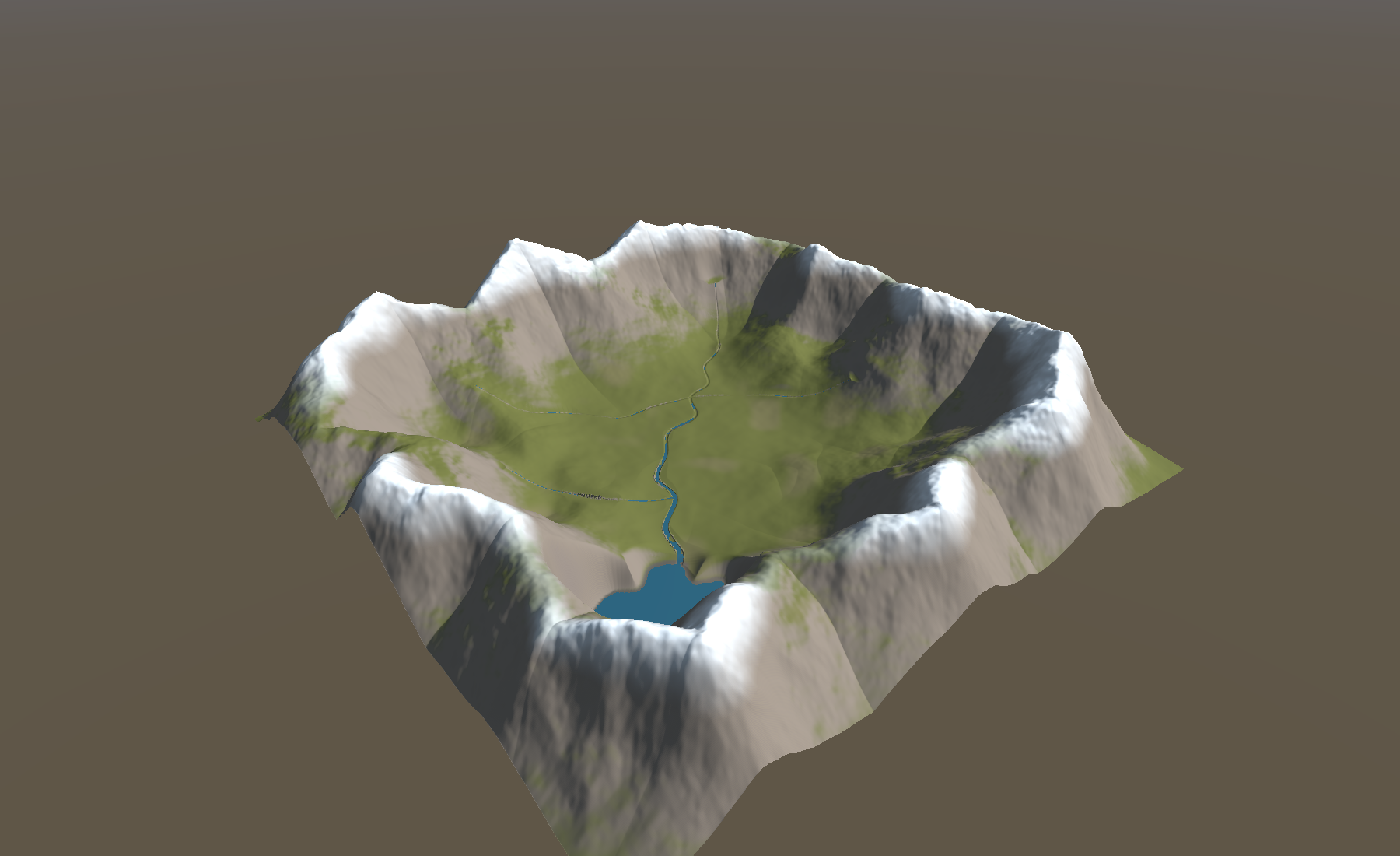
The earlier terrain experiments are part of Hallvik’s development history. They are not a promise of a finished seamless map.
Small art, weather and district tests established repair states, route access, shortcuts and return paths.
The fjord basin, tile layout, mountain contacts, riverbanks, ground materials and habitat density were studied. Failed candidates remained outside the accepted world.
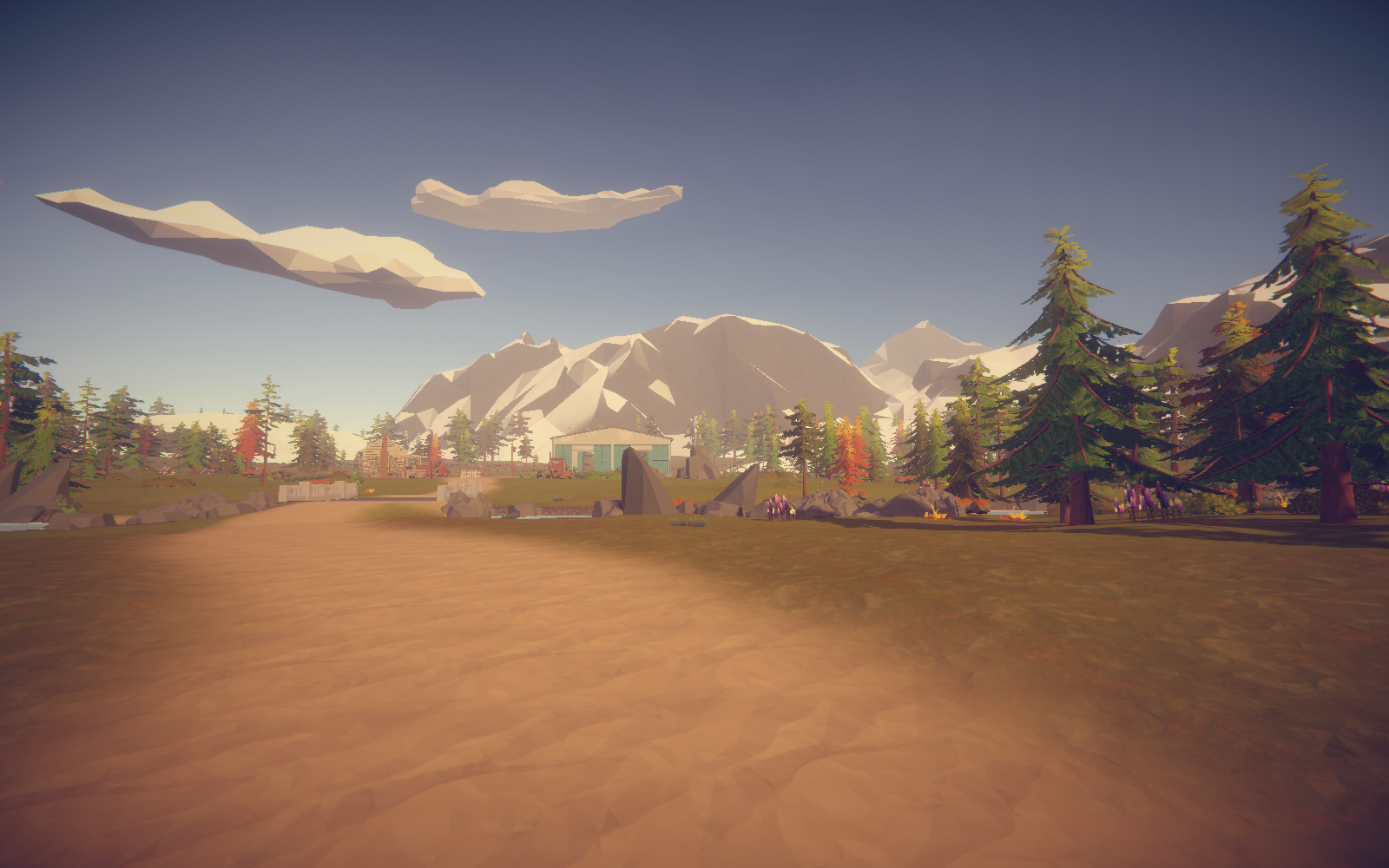
The industrial approach became the focused environment pilot. Native first-person focus, language and interface tests advanced alongside it.
The pickup library, enemy/weapon atlas, starting-flow decisions and Wasteland continuation broadened the content plan. Production integration remains a distinct milestone.
This records documented workstreams and their practical limits. It does not turn every catalogue row or test fixture into an announced feature.
Early spatial district tests, the archived macro-terrain phase, water and forest studies, rejected landscape candidates and the authored industrial-route pilot.
234 original images cover 280 pickup entries. The mapping includes 46 shared variants and twelve catalogue categories. Logos remain separate transparent branding assets.
Earlier third-person foundations evolved into first-person authoring, focus providers and controller checks. The complete first-district player stack still needs integration.
Inventory, equipment, loot, crafting, narrative, journal, rest and focus states have English/German test material. Fixture displays are not final gameplay screenshots.
Blackout District, Harbor, Industrial Works and Tower Ridge lead to the Wasteland. The newer key-location and opening decisions supersede older drafts.
Lindenhof shelter, starting equipment, handheld radio, Mara’s call, separate personal briefing and optional learning hints.
Readable story enemies, finite encounters, weapon/ammunition relationships and broader candidates need rig, animation, AI and actual native gameplay qualification.
Protected mission parts, finite inventory, ration coupons, suppliers, recipes and a wider draft catalogue. Art coverage does not equal canonical item or loot-table coverage.
Native health/effects and repair relationships are documented. Durability is disabled in the thin T0 slice. Wreck models do not announce implemented driving.
Save restoration and gated scene fixtures have evidence. A complete death/respawn autosave, cell migration and first-region loop remain milestones.
Day/night and weather studies, local hazards, bilingual radio/announcement scripts and VFX plans require their own integrated visual and listening review.
Hallvik is in development. World and system entries describe the current design unless an implementation result is explicitly stated.